
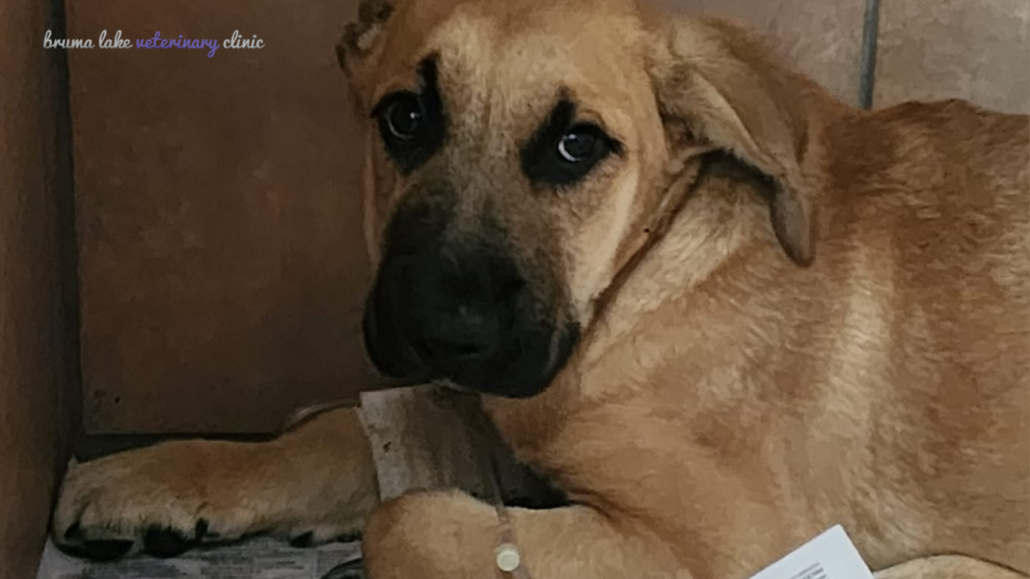
Understanding Canine Parvovirus: Why Vaccination Is Critical
Canine Parvovirus (commonly known as Parvo) remains one of the most serious and preventable diseases seen in dogs today. Unvaccinated dogs are especially at risk — and while some may survive with intensive care, many do not.
This highly contagious virus spreads quickly through communities, making vaccination and awareness essential to protect your pets.
What Is Canine Parvovirus?
Parvovirus is a highly contagious and potentially fatal viral disease that attacks a dog’s gut and immune system.
It spreads through:
- Contact with infected stool or vomit
- Contaminated shoes, clothing, bowls, or kennels
- Surfaces where an infected dog has been — the virus can survive for months in the environment
- Flies, birds and rodents, which can carry and spread the virus from contaminated areas to clean ones
Even a trace amount of the virus is enough to infect another dog.
Symptoms to Watch For
Parvovirus symptoms often appear suddenly and progress rapidly. Look out for:
- Vomiting and diarrhoea (often bloody)
- Loss of appetite and weakness
- Severe abdominal pain or collapse
If you notice any of these signs, seek veterinary attention immediately. Early treatment significantly improves the chances of survival.
Treatment
There is no specific cure for Parvovirus. Treatment focuses on intensive supportive care, which may include:
- Intravenous fluids to prevent dehydration
- Medication to control vomiting and secondary infections
- Nutritional and immune support
Newer therapies, such as antibody treatments, are showing encouraging results — but success still depends on early, aggressive veterinary intervention.
Prevention Is the Best Protection
The good news is that Parvovirus is entirely preventable.
Vaccination saves lives. Most Parvo cases occur in unvaccinated or partially vaccinated dogs.
Ensuring your pet’s vaccinations are current and complete is the most effective way to protect them.
Important: Don’t let your puppy leave your property until at least two weeks after their third vaccination, when their immunity is properly developed.
Stay Informed and Prepared
If you’re unsure about your dog’s vaccination status, contact us today — it could save their life.
Our team can check your pet’s records and schedule any necessary boosters.
Bruma Lake Vet
1 Glanville Avenue, Cyrildene
Call 011 622 8813 or WhatsApp 065 977 1082 to book vaccinations or request advice.


Leave a Reply
Want to join the discussion?Feel free to contribute!