
Conditioning and Socialising Your Pet: Setting Them Up for a Lifetime of Confidence
The experiences your pet has early in life — and throughout adulthood — play a major role in how they cope with the world. Gentle conditioning and appropriate socialisation help pets grow into calmer, more confident companions and make everyday care, grooming, travel, and vet visits far less stressful.
While early exposure is ideal, it’s important to remember: it’s never too late to start. Older pets can also learn to feel more comfortable and confident — it may simply take more patience and time.
What Is Conditioning — and Why Does It Matter?
Conditioning is the process of gradually and positively exposing your pet to experiences they’ll encounter throughout their life. When pets learn that handling, travel, and routine care are safe and predictable, they’re far less likely to develop fear, anxiety, or defensive behaviour.
This is especially important for unavoidable experiences such as veterinary examinations, grooming, nail trims, and car travel.
Getting Your Pet Comfortable with Handling
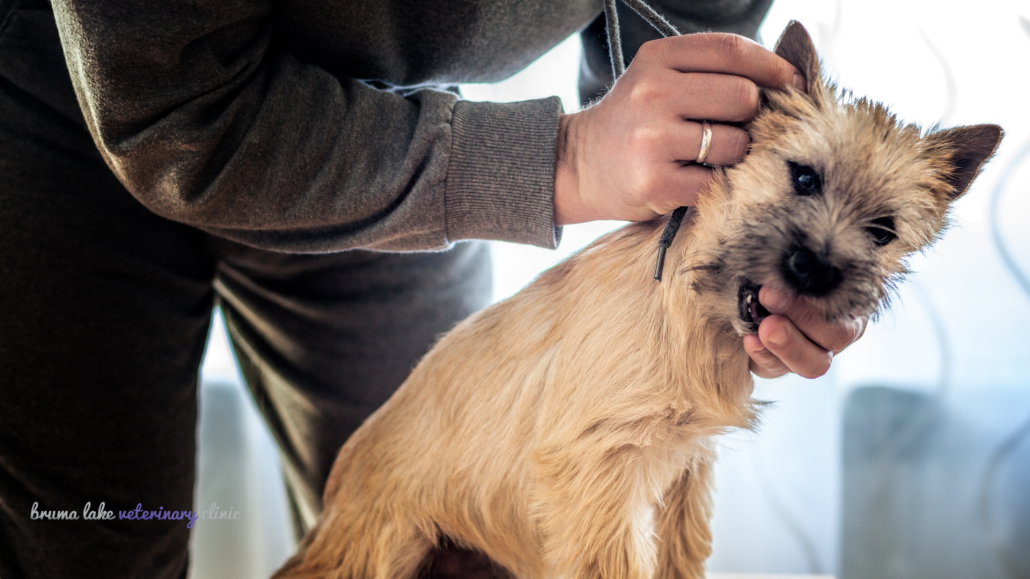
From a young age, puppies and kittens should become accustomed to gentle, calm handling.
This includes:
- Touching and holding feet and toes
- Gently examining ears
- Lifting lips and looking inside the mouth
- Light restraint or short cuddles
Start with very short sessions and always pair handling with treats, praise, or play. This helps your pet associate touch with positive experiences and makes vet examinations easier and less intimidating as they grow.
Conditioning at Home: Start Small and Build Slowly
Routine care tasks can be overwhelming if introduced too quickly. Gradual exposure is key.
Dental Care
Dental care is best introduced gradually so it doesn’t become a stressful experience.
- Begin by gently touching around the mouth and muzzle
- Progress to lifting the lips for a few seconds at a time
- Once your pet is comfortable, introduce a finger brush or toothbrush
To make the experience more pleasant, you can use pet-safe toothpaste or dental gels, which are specially flavoured to be appealing to dogs and cats. Some pets also tolerate a small amount of coconut oil, which can help with acceptance due to its taste and texture.
For pets that won’t tolerate brushing initially, dental wipes are another useful option and can be a great stepping stone toward full brushing.
Always keep sessions short, calm, and positive, and reward your pet afterwards to build a positive association.
Ear Cleaning
- Start with simple ear handling
- Allow your pet to sniff the cleaning solution
- Clean small amounts initially and build up gradually
Nail Trimming
Nail trimming should always be introduced using positive reinforcement. This means rewarding your pet for calm, relaxed behaviour so they learn to associate nail care with something pleasant, rather than something to fear.
- Handle your pet’s paws regularly so they become comfortable with their feet being touched
- Introduce nail clippers or grinders by letting your pet see and sniff them, without using them at first
- When trimming, start with one nail at a time and immediately reward your pet with praise, treats, or gentle affection
Keeping sessions short and ending on a positive note helps build trust and confidence. Over time, positive reinforcement teaches your pet that nail trimming is safe, predictable, and even rewarding.
Grooming & Bathing
- Brush for short sessions before your pet becomes restless
- Introduce water slowly and calmly
- Keep early baths quick and stress-free
For dogs, using a LickiMat or a thin layer of dog-safe peanut butter spread on the wall can help keep them calm and occupied during bathing or grooming
If your pet becomes anxious, stop and try again another day — forcing the process can create lasting fear
Socialising Beyond the Home
Socialisation is about more than meeting other pets — it’s about helping your pet feel comfortable in different environments and situations.
Car Travel & Vet Visits
Many pets associate car rides with stress because they only travel when something unpleasant is about to happen. To help:
- Take short, positive car trips that don’t always end at the vet
- Reward calm behaviour in the car
- For cats, leave the carrier out at home so it becomes a familiar, safe space
- Occasionally place treats or bedding inside the carrier without closing the door
Using a Leash & Basic Obedience
Learning to walk comfortably on a leash builds confidence and control:
- Start indoors or in quiet areas
- Use positive reinforcement for calm walking
- Avoid pulling or punishment
- Short, consistent sessions work best
Basic obedience training not only improves behaviour but strengthens the bond between you and your pet.
Socialising With Other Dogs, People & Environments
Expose your pet to:
- Different people (adults, children, people wearing hats or uniforms)
- New surfaces and environments
- Everyday sounds like traffic, vacuum cleaners, and household noises
This helps reduce fear-based behaviour and builds emotional resilience.
A Very Important Safety Note About Vaccinations
While socialisation is essential, it must be done safely.
We recommend waiting at least two weeks after your puppy’s third vaccination before:
- Visiting dog parks
- Walking in high-traffic pet areas
- Allowing contact with unfamiliar dogs
Before this point, puppies are vulnerable to serious diseases such as Parvovirus and Distemper. Early socialisation should be limited to healthy, fully vaccinated dogs you know well and controlled environments.
It’s Never Too Late — Conditioning Older Pets
While puppies and kittens learn quickly, adult and senior pets can absolutely benefit from conditioning and socialisation too.
Tips for Older Pets:
- Move at your pet’s pace
- Keep sessions short and positive
- Use high-value treats or favourite toys
- Be consistent and patient
- Celebrate small wins
Older pets may take longer to adjust, but gradual, positive exposure can significantly improve their comfort and quality of life.
How We Can Help at Bruma Lake Vet
Our team is always happy to help with:
- Advice for anxious or fearful pets
- Making vet visits as calm and positive as possible
Early effort — or even late effort — makes a lifetime of difference. A well-conditioned, well-socialised pet is easier to care for, more relaxed, and happier overall.
If you’re unsure where to start, or if your pet struggles with fear or anxiety, chat to us — we’re here to help.


Leave a Reply
Want to join the discussion?Feel free to contribute!